
Too many options may or may not overwhelm your customers – Here's what research says about choices in a retail store
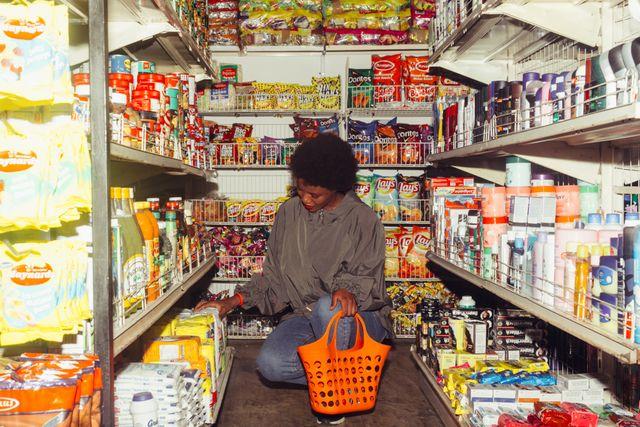
Overview of Contents
Customer: “I want a sub!”
Me (in deli): okay. What kind of sub would you like?
Customer: “????”
If you’ve ever watched someone stand frozen in front of a menu they’ve seen fifty times, you know the feeling that this commenter is going through. Wanting something is easy. Picking one thing while leaving other options is where people come undone.
Psychologists call this choice overload, and online stores get a bigger dose of it than any deli counter. Think about it for a second – you want to pick a toothbrush for yourself, not just any toothbrush, the right one, from the 400 on the first page. What do you do? You take your time. One Reddit user even took three days. That's what could happen to your customers.
Merchants feel this from the other side of the screen too. A seller on the internet described looking at their own catalog and loving every product, while worrying that customers would think “Agggh, too many to choose from!” and leave the webstore.
If you’ve read anything about the paradox of choice, you already know the usual fix: show fewer products. And most of that advice traces back to a single jam study. I am pretty sure you know about it, but here’s a refresher -
The study became so famous that people started explaining it to its own author, Sheena Iyengar.
Now you must be thinking that it’s better to trim the catalog. But in 2010, a team of researchers pooled 63 conditions from 50 experiments covering more than 5,000 people and found the average effect of cutting catalog to be virtually zero. In some studies, shoppers froze. In others, more options made them happier buyers.
And then there’s Amazon, selling a catalog that seems to have no end, while every growth coach on your feed tells you to cut down to a few winners. So who’s right?
Grab a spoon. Let’s open the jar.
Why does choice overload happen? And how is it different from a 'normal' choice?
Choice overload happens when the number of options gets so big that deciding starts to feel like homework. The shopper either picks something they doubt later or, more often, picks nothing and wanders off. Psychologist Barry Schwartz made the idea famous in his 2004 book The Paradox of Choice advocating how more is actually less..
It mostly comes down to how much your brain can juggle at once. Every extra option adds another set of prices, specs and reviews to hold in your head, and every pick means giving up the best bits of the ones you passed on. Schwartz also argued that more options push expectations up, so the letdown stings more when the product turns out to be merely fine.
So how is that different from a normal choice? A normal choice ends with a pick, even if it takes a while, while choice overload ends with the shopper putting it off or walking away with nothing. Here's a good example -
That’s why “show fewer options” became one of the most repeated rules in choice overload marketing. As you’ll see next, the research says the real answer is a little more complicated.
So, is choice overload good or bad?
Short version: choice overload is real, but only under certain conditions. Think of it like spicy food. Asking “does spice ruin a meal?” gets you a shrug, because it depends on the dish and who’s eating.
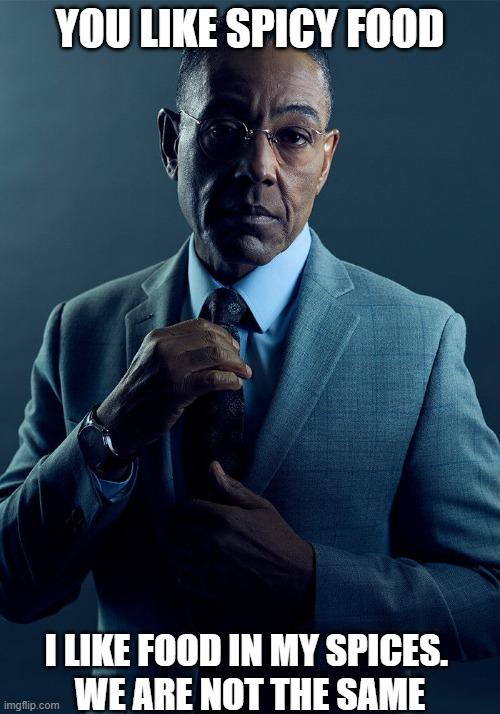
Even when we see the research, the results swung between studies, with some shoppers freezing up and others choosing more happily.
A team led by Kellogg’s Alexander Chernev reviewed 99 observations covering 7,202 people and found overload comes under four conditions:
- How hard the options are to compare?
- How difficult the decision is?
- How sure shoppers are about what they want?
- What they’re trying to get done?
Real data from a study of online stores points the same way. In a field experiment with 1.6 million Alibaba shoppers, clicks and purchases rose as more products were shown, then fell once the set got too big. Interestingly, up to 64% of the sales drop came from shoppers who never clicked anything at all.
Not every study agrees on this, however. A 2017 ecommerce test found the number of products in a grid barely moved shopper satisfaction.
So here’s my verdict: more options help up to a point, but hurt past it, and that sweet spot is different for every store.
But how does Amazon sell millions of products without overwhelming anyone?
Yes, Amazon’s home page can give anyone a panic attack, but that’s almost never the page where customers make decisions. But they only ever ask you to choose from the handful of products it already sorted for you on the search results page. The catalog is enormous, but the shelf you see after typing “electric toothbrush” is ranked, filtered, starred and badged before you scroll an inch.
That difference between the catalog and the choice set is the whole trick. Big catalogs pay off when finding things is cheap.
Categories do heavy lifting too. In one study, shoppers were happier with their choice when options were grouped into categories, even meaningless ones. Even another study reinforced this idea by claiming that people who saw 400 magazines in 20 categories felt that it was a better choice than 600 magazines in 10. Fewer products but more variety, got it?
Now the question you must be thinking is: "Should I also go the Amazon way, or should I focus on a few winning products?"
It's the latter for most stores. The bigger issue is that not everyone can afford Amazon’s sorting machine, except this guy -

Amazon has mountains of reviews and click data deciding what you see first, while as a mid sized retailer you might have a collection page and maybe a filter or two. Every product you add spreads your reviews and ad budget a little thinner. Twenty SKUs with eight reviews each look riskier than five SKUs with fifty reviews each, even if the products are identical.
The Recommendation study backs this up. Most of the damage from too many options happened before shoppers clicked a single product. In practice, overload mostly looks like a quick bounce from a crowded first screen, which you’ll never see in your reviews.
So this is what you can try instead:
- Keep the catalog you can support
- Cut the choice set ruthlessly
- Lead every collection with two or three clear winners
- Group the rest into categories that match how shoppers think.
If you’re stuck deciding which products to cut, that’s a decision problem of its own, and we’ve covered it in how to overcome analysis paralysis in your ecommerce store.
4 questions to check if your store overwhelms shoppers
We've previously discussed how choice overload depends on the set complexity, task difficulty, preference uncertainty and the shopper’s goal. So, here’s how you can find out if your store is suffering from price overload. Answer these questions honestly with a yes or no.
- Can a shopper tell your products apart in five seconds? Twelve near-identical black yoga mats with slightly different prices are a choice overload in the making. When nothing obviously wins, the shopper has to do the comparing, and most of them won’t. There’s a reason most product pages now group colors and sizes into one listing with swatches or a dropdown, instead of giving every variant its own page cluttering the screen. The shopper picks the mat first and the color second, so one overwhelming decision becomes two easy ones.
- Is the decision hard to make where they’re making it? Comparing eight specs on a phone screen while waiting for a bus is harder than browsing on a laptop.
- Does the shopper know what they want? Someone replacing the exact running shoe they wore out is fine with 200 options. Someone buying their first espresso machine has no idea what a portafilter is, and every extra model adds to the fog.
- Are they buying now or browsing? A shopper scrolling for fun enjoys variety. A shopper who has to pick one thing and check out today is the one who freezes.
If you've got two or more yesses, then maybe it's time for you to rethink how and where you want similar products to show up.
How to cut choice without cutting sales - two brands that got it right
The cleanest example is Procter & Gamble. When it trimmed Head & Shoulders from 26 versions to 15, sales rose 10%. Eleven shampoos went down the drain, and nobody missed them.
Tropicana took the opposite road and still landed in the same place. Its extra juice varieties grew sales, so instead of cutting, it added color-coded caps to sort the range into sub-categories.
You don’t need P&G’s budget for either move, so try cutting the variants that nobody can tell apart, and color-code, group or badge the ones you keep.
The last word on choice overload
So who was right, the jam study or Amazon? Both, as it turns out.
Shoppers are fine with a big catalog right up until you make them do the sorting. Put your winners up front and make the checkout the easiest decision of the whole trip.
Then take care of the worry that lingers even after they pick. Most shoppers aren’t scared of choosing; they’re scared of choosing wrong. Remember our toothbrush shopper doing the “1 in 20 dud” math? A protection plan settles that math for them. If the product turns out to be a lemon, it gets repaired or replaced, so the shopper can stop second-guessing and hit “buy.”
If you want that kind of peace of mind built right into your checkout, talk to our team. No jam required.

Author
Khizar Mohd
M Khizar is a writer who enjoys making complicated things feel simple. He writes about warranties, e-commerce, and the small details people usually overlook until they matter. His work focuses on clarity and helping readers make smarter decisions without overthinking it. Outside of work, he enjoys reading, writing personal blogs, and binge eating with friends.